

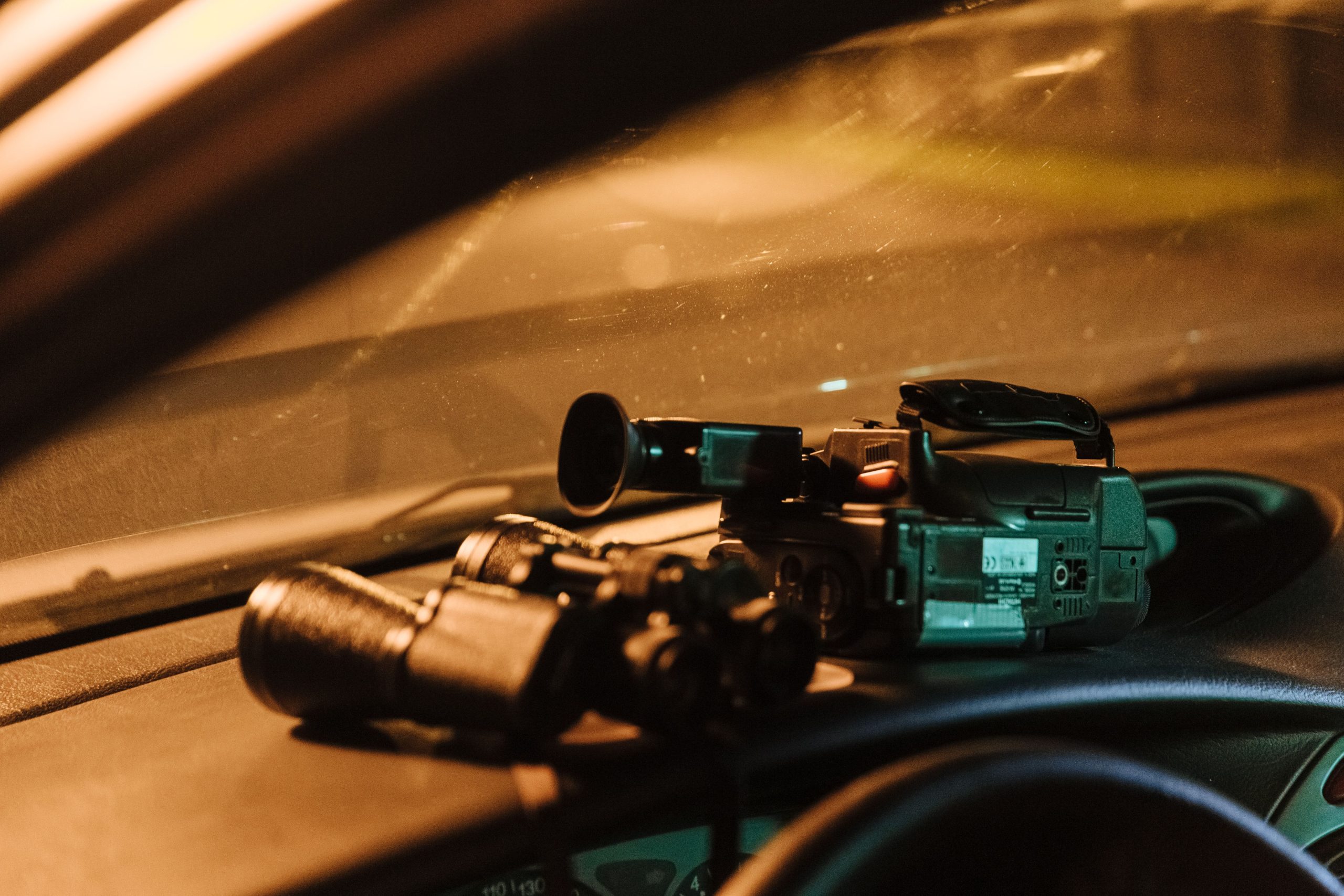
Professional surveillance is more than following a person or recording their activities. A properly conducted surveillance investigation will involve a skilled surveillance team with the expertise to anticipate and adapt to sudden changes in a subject’s movements and the local environment. It is a structured process that includes careful planning, discreet fieldwork, accurate documentation, timelines, supporting equipment, and consideration of applicable legal and ethical requirements. Physical surveillance is also often combined with 24/7 online monitoring of the subject’s social media posts and blogs, providing real-time intelligence.
Whether you are an individual seeking clarity for family reasons, evidence of antisocial behaviour or infidelity, a lawyer requiring real-time surveillance intelligence to support a case, or an organisation seeking to establish whether a company member is engaging with a competitor, selling company secrets, or for other risk-management reasons, professional surveillance services can provide objective information that is often unavailable through conventional investigations.
It is essential that surveillance teams have extensive experience and, in many cases, be able to adapt when the subject travels from one jurisdiction to another. An understanding of how a professional surveillance investigation works helps clients know what to expect when engaging an investigation company or a private investigator.
What Is Professional Surveillance?
Professional surveillance entails discreetly observing an individual’s on-the-ground, real-time activities, capturing photographic images or video to verify an action, recording audio of conversations in public places where permitted by law in the relevant jurisdiction, and documenting relevant activities in a timeline to establish facts or verify information.
Depending on the circumstances, surveillance may be used as an intelligence source to support a broader investigation into suspected fraud, suspicious insurance claims, the identification of individuals involved in counterfeit product sales and manufacturing, employee investigations, corporate disputes, litigation support, and family matters concerning infidelity, child custody, or the lifestyle of a former partner when seeking a financial settlement, as well as other situations where independent observation may be valuable.
The exact approach depends on the investigation objectives, jurisdiction and circumstances of the case.
1. Planning a Surveillance Investigation
A successful surveillance operation begins with preparation. Before surveillance begins, investigators speak with their client to understand the basis of their suspicions, discuss the objectives, and review any available information about the subject.
Defining the Investigation Objective
The first step is understanding what the client truly needs to establish or verify an activity.
This could involve specific movements, insofar as their physical capability permits, if alleging a disability, or visits to suspected locations, social or business activities, meetings with third parties, relationships, or other circumstances relevant to the investigation.
A clearly defined objective helps surveillance focus its resources on relevant information.
Reviewing Available Information
A professional investigator will review information the client can provide, including known addresses the subject may frequent, the type of vehicle or other mode of transport used, schedules, details of their known social and business activities, and other relevant details.
Accurate background information can help reduce the risk of misidentification and improve the efficiency of the surveillance operation. In some instances, if the investigator considers it relevant to achieving the best results, they may recommend a pre-intelligence report on the subject to obtain additional information, such as identifying all their online social media profiles and posts, and identifying any unknown mobile numbers.
Legal and Ethical Considerations
Before surveillance begins, professional investigators must consider the laws applicable to surveillance in the relevant jurisdiction where it will be undertaken.
Reviewing privacy requirements, recording restrictions, permissible observation locations and other jurisdiction-specific rules can affect how an investigation is conducted and are essential to ensure that the investigator does not commit a criminal offence and that the evidence secured during surveillance is admissible in court.
Operational and Safety Planning
The first stage is to assess the local environment of the address from which the subject needs to be followed, whether it is a residence, place of business, hotel, etc. The information needed may be gathered using Google Maps and desktop research, or, in some instances, if the location appears difficult to maintain a long-term surveillance presence due to factors such as parking restrictions, multiple exit routes, cameras, etc., a site visit may be recommended. This is because the investigator must ensure that surveillance can be maintained for potentially long periods without detection or raising local suspicion, and to enable monitoring of the subject’s departure from the address.
If the subject’s known schedule indicates a visit to a location or extensive hours, travel routes will be identified, and communication procedures, team shift changes for 24-hour surveillance, and contingency arrangements may be included in the planning process.
This approach enables all surveillance investigators to respond appropriately when circumstances change during an operation.

2. Conducting Professional Surveillance
During active surveillance, investigators aim to position themselves to maintain discreet observation while accurately documenting relevant activity.
Professional surveillance is not simply about obtaining photographs or video. It is about creating a reliable record of what was observed so that, if challenged in court, the members can rely on it when giving evidence.
Strategic Positioning
Investigators select appropriate and lawful observation points, which may include using covert surveillance vehicles, renting nearby property, installing temporary cameras, etc., to avoid unnecessary exposure.
Real-Time Documentation
Surveillance investigators will record times, locations, movements, vehicles, individuals and significant events as they occur.
Detailed notes and, where possible, supporting time-stamped images or video help create a chronological record that can be reviewed and included within the surveillance report.
Recording Gaps in Observation
Due to unforeseen circumstances beyond the surveillance investigator’s control, visual contact with the subject may occasionally be lost during surveillance. Professional investigators document these periods rather than making assumptions about unobserved activities.
This distinction is particularly important, as subsequent investigations and surveillance findings may later reveal a routine pattern that fits the previously taken route within the same timeframe, etc.
Discretion and Safety
A surveillance investigator must also know when to disengage surveillance if there is a risk of confrontation, unsafe driving, trespass or other inappropriate conduct.
This is an important part of responsible investigative surveillance, as the objective is to obtain useful information while upholding professional standards throughout the operation.
This is an important part of responsible investigative surveillance, as the objective is to obtain useful information while upholding professional standards throughout the operation.

3. Evidence Documentation and Surveillance Reports
The usefulness of surveillance information depends heavily on how it is documented.
Professional surveillance services should include appropriate records that enable systematic review of observations.
Chronological Investigation Records
Investigative notes can include dates, times, locations, observations and other relevant details to establish a clear timeline.
Photographic and Video Evidence
Where appropriate and lawful, photographs and video may be used to support the surveillance investigators’ personal observations.
Original files and relevant information would be properly preserved to maintain the integrity of the investigative material.
Evidence Management
Depending on the circumstances, investigators may maintain records of the handling of evidence, the review, export or transfer of investigative material, especially if the subject discarded any document or other item that was subsequently recovered by the surveillance investigator, who bagged it as evidence and must demonstrate a chain of custody.
Professional Surveillance Reports
A final surveillance report should clearly distinguish between verified observations and client-provided information. The report must be well-structured so that the client can understand the findings based on facts rather than unnecessary speculation.
4. Legal and Ethical Considerations in Surveillance
Surveillance investigations must be conducted in accordance with applicable laws and regulations.
Requirements can vary significantly between countries, states and jurisdictions. Activities that may appear straightforward can be subject to specific legal restrictions.
Audio Recording
Laws governing the recording or interception of conversations vary across jurisdictions. Investigators must understand the applicable requirements before undertaking any audio-related activity.
Drone Surveillance
For difficult or remote locations, the surveillance investigator may use a camera-equipped drone to provide aerial views and support the surveillance team on the ground. However, before deploying a drone, operators must check with the authorities to ensure compliance with aviation, privacy, and commercial operation regulations.
Aerial surveillance can secure evidence that cannot be obtained from on-the-ground surveillance positions and should therefore be considered, provided it can be conducted in accordance with the applicable rules governing the location and circumstances of the investigation.
Privacy and Trespass
Professional investigators must respect applicable privacy and trespass laws and conduct observations from lawful locations.
These considerations help safeguard the integrity of the investigation while reducing unnecessary legal exposure for both the client and the surveillance investigator.
When Can Surveillance Services Be Useful?
Professional surveillance may assist with a range of investigative matters, including:
- Suspected fraudulent or other criminal activity relating to drugs, counterfeiting, etc.
- Insurance investigations demonstrating organised accidents, false disability claims, etc
- Family and relationship matters involving infidelity, child custody concerns, evidence of lifestyle, etc.
- Employee and workplace investigations involving staff harassment, theft of goods or industrial secrets, whistleblowing, engaging with competitors or any other wrongdoing.
- Corporate and commercial disputes to provide objective, verifiable evidence to protect their business interests, such as protecting intellectual property, challenging third party allegations, mapping supply chains and counterparties etc.
- Law firm litigation support, where a surveillance can provide vital evidence relevant to a particular case.
- Activity verification, where the subject is required to attend a location or engage in a activity, and there are concerns that they may not fulfill the commitment.
- Asset-related investigations, identify location of a unknown property, vehicle, boat, etc.
- Risk and threat intelligence assessments, relating to suspicious persons activities, and or on the client for counter surveillance security services.
Every case is different, and a professional surveillance investigator will tailor the surveillance approach based on the objective, jurisdiction, available information and the circumstances surrounding the matter.
Why Choose Professional Surveillance?
Professional surveillance provides clients with more than observations. It provides a structured investigative process designed to produce useful, properly documented information to achieve the objectives sought. It prevents the errors that an untrained person will make, which could cause exposure and long-term damage, and prevent you from securing the evidence you were seeking.
Objective Information
Independent observations, conducted by recognised professional surveillance investigators, not only help the client establish the real-time facts of what is occurring but also ensure that their reports will withstand the scrutiny of the courts when required as evidence.
Documented Evidence
When lawfully obtained, photographs, video, notes and chronological reporting can provide a clearer record of relevant events.
Professional Discretion
Experienced investigators understand the importance of confidentiality, discretion and responsible investigative practices.
Actionable Intelligence
A properly conducted surveillance investigation can provide information that helps individuals, legal professionals and organisations make better-informed decisions when they are aware of real-time, on-the-ground facts.
Professional Surveillance as Part of a Wider Investigation
Surveillance is often one component of a broader investigation.
Depending on the circumstances, professional surveillance services may be combined with background investigations, open-source and on-the-ground intelligence, due diligence, corporate intelligence, asset-tracing enquiries, or other investigative services.
This broader approach can help provide a more complete understanding of the subject, the circumstances, or the potential risks involved.
Discuss Your Surveillance Requirements with SIP International
If you require professional surveillance services or need to assess whether surveillance is appropriate for your situation, SIP International can discuss your requirements confidentially and identify an appropriate investigative approach.
Our surveillance and investigation services are designed to provide clients with carefully researched information, professional reporting and actionable intelligence tailored to the requirements of each case.
Contact SIP International today to discuss your surveillance or investigation requirements.
Frequently Asked Questions
Is my enquiry confidential?
Yes, we have strict confidentiality policies at SIP International Commercial Information Services LLC. From our first discussion through to the conclusion of our investigations and beyond, all information remains strictly confidential.
Will my partner discover that I’m checking on them?
SIP International Commercial Information Services LLC is highly professional and has extensive experience in maintaining discretion to ensure the subject of any investigation remains unaware.
Will the investigation be traced back to me?
No, SIP International Commercial Information Services LLC never discloses your identity to third parties. Your personal information is handled within our organisation on a “Need to Know’ basis.